










In 2025, luxury interior design is undergoing a transformative shift, blending opulence with environmental responsibility. Sustainable materials are at the forefront of this evolution, redefining high-end interiors with eco-conscious elegance. As homeowners and designers prioritize sustainability without compromising style, sustainable materials in luxury interior design are becoming the hallmark of modern sophistication. This article explores the top sustainable materials shaping luxury interior design in 2025, offering insights into their aesthetic appeal and eco-friendly benefits.
Reclaimed Wood: Timeless Beauty in Luxury Interior Design
Reclaimed wood remains a cornerstone of sustainable materials in luxury interior design, offering both character and environmental benefits. Sourced from old barns, factories, or salvaged structures, reclaimed wood brings unique textures and histories to high-end spaces. Its weathered patina adds warmth to luxury interior design, making it ideal for flooring, accent walls, or bespoke furniture.
In 2025, designers are using reclaimed oak and walnut to craft statement pieces like dining tables or shelving units, enhancing luxury interior design with rustic yet refined charm. By choosing reclaimed wood, homeowners reduce deforestation and carbon footprints, aligning with sustainable principles while elevating their interiors.
Recycled Metals: Sleek and Sustainable in Luxury Interior Design
Recycled metals, such as brass, copper, and aluminum, are gaining prominence in luxury interior design for their durability and eco-friendly appeal. These sustainable materials are repurposed from industrial scraps or consumer waste, minimizing the need for new mining. In luxury interior design, recycled metals appear in light fixtures, cabinet hardware, and decorative accents, adding a touch of glamour.
For example, a recycled copper chandelier can serve as a focal point in a modern living room, blending sustainability with sophistication. The versatility of recycled metals makes them a favorite in luxury interior design, offering a polished look that complements both contemporary and classic aesthetics.
Organic Fabrics: Comfort Meets Eco-Conscious Luxury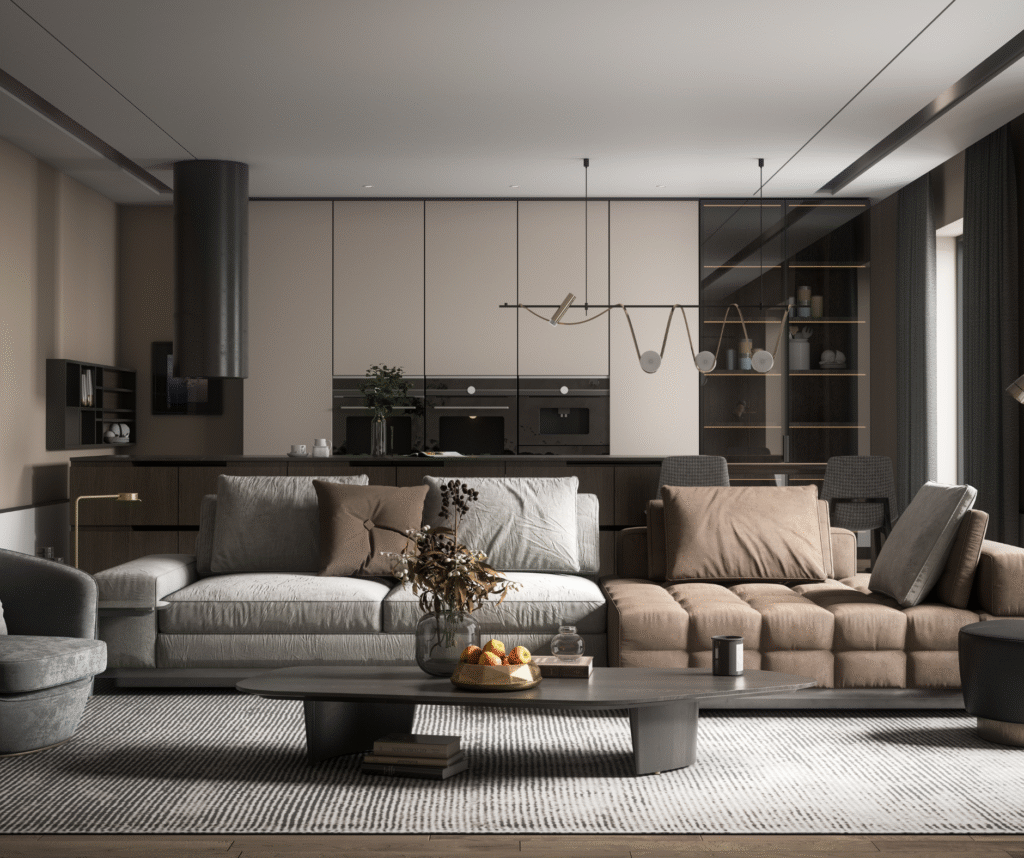
Organic fabrics like linen, cotton, and hemp are redefining upholstery in luxury interior design. Grown without harmful pesticides, these sustainable materials provide a soft, luxurious feel while reducing environmental impact. In 2025, organic linen sofas and hemp curtains are popular choices for creating inviting yet upscale spaces in luxury interior design.
These fabrics pair beautifully with natural tones, enhancing the serene ambiance of bedrooms or living areas. By opting for organic textiles, designers ensure that luxury interior design prioritizes both comfort and planetary health, appealing to eco-conscious clients who value ethical sourcing.
Natural Stone with Sustainable Sourcing
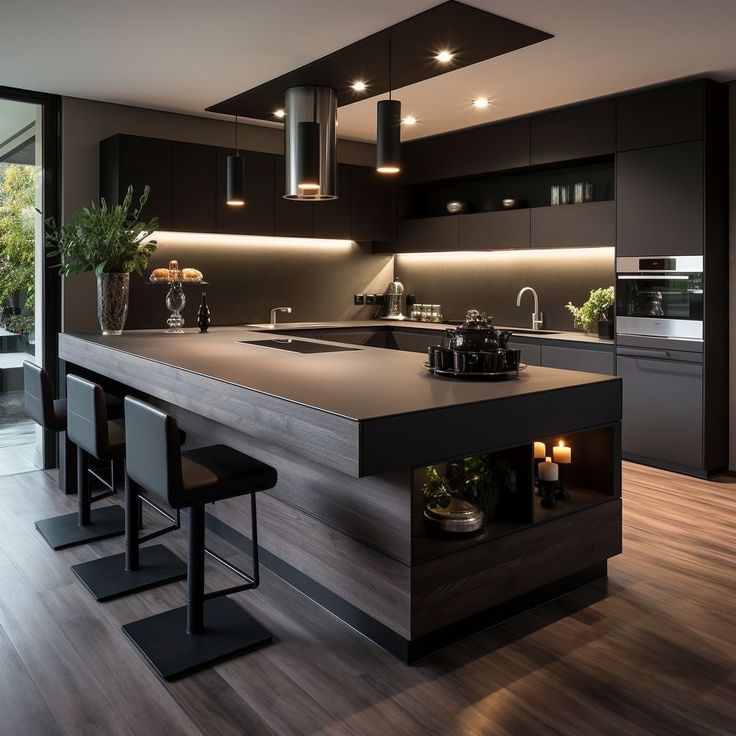
Natural stone, such as marble, granite, and limestone, remains a staple in luxury interior design, but 2025 emphasizes sustainable sourcing. Quarries with ethical practices and low-impact extraction methods are prioritized to minimize environmental harm. These sustainable materials bring timeless elegance to luxury interior design, used in countertops, flooring, or statement walls.
For instance, a sustainably sourced marble island in a kitchen adds a luxurious focal point while supporting eco-friendly practices. The durability of natural stone ensures longevity, making it a smart investment for sustainable luxury interior design projects.
Bamboo: A Versatile Star in Luxury Interior Design
Bamboo’s rapid growth and renewability make it one of the most sustainable materials in luxury interior design. Its sleek, modern aesthetic suits high-end interiors, from flooring to furniture. In 2025, bamboo is featured in luxury interior design for its strength and versatility, often used in minimalist or tropical-inspired spaces.
A bamboo accent wall or a custom-designed bamboo chair can elevate a room’s elegance while showcasing environmental responsibility. Its natural grain adds warmth, making bamboo a go-to choice for sustainable luxury interior design.
Cork: Innovative and Eco-Friendly in Luxury Interiors
Cork is emerging as a surprising yet stylish option among sustainable materials in luxury interior design. Harvested from the bark of cork oak trees without harming them, cork is renewable and biodegradable. Its unique texture adds visual interest to luxury interior design, appearing in flooring, wall panels, or even furniture.
In 2025, cork is celebrated for its acoustic and thermal insulation properties, making it ideal for luxury interior design in home offices or media rooms. A cork-clad accent wall in a study, paired with plush furnishings, creates a sophisticated yet sustainable space.
Recycled Glass: Shimmering Sustainability
Recycled glass is making waves in luxury interior design, offering a sparkling, eco-friendly alternative for countertops, tiles, and decorative pieces. Made from post-consumer glass, this sustainable material reduces landfill waste while adding a luminous quality to interiors. In luxury interior design, recycled glass mosaics in bathrooms or kitchen backsplashes create a dazzling effect.
Its versatility allows designers to experiment with colors and patterns, ensuring that recycled glass fits seamlessly into high-end aesthetics. This material proves that sustainable materials in luxury interior design can be both beautiful and environmentally responsible.
Biodegradable Composites: The Future of Luxury Design
Innovative biodegradable composites, made from plant-based fibers or recycled materials, are redefining furniture and decor in luxury interior design. These sustainable materials mimic the look of traditional woods or plastics but decompose naturally, reducing long-term waste. In 2025, biodegradable composite coffee tables or shelving units are trending in luxury interior design for their modern appeal.
These materials allow designers to push creative boundaries while adhering to sustainability goals, making them a forward-thinking choice for eco-conscious luxury interior design projects.
Conclusion: Sustainable Luxury for a Modern World
The rise of sustainable materials in luxury interior design reflects a growing demand for spaces that are as ethical as they are exquisite. From reclaimed wood to recycled glass, these materials offer endless possibilities for creating stunning, eco-friendly interiors. By incorporating sustainable materials, luxury interior design in 2025 achieves a perfect balance of style, comfort, and environmental stewardship. Consult with a professional designer to integrate these sustainable materials into your home, crafting a space that’s both luxurious and planet-friendly.
Our energy-saving heroes
Joelyns AirOrbit 360
Joelyns NeoBreeze
Joelyns DF-EF0850HK1
Joelyns WindForm
Joelyns AirDry Max
Joelyns PowerDry E90
Joelyns KY07A – Portable 3-in-1 Air Conditioner
Joelyns DualAir 2-in-1
306,55 €
after Cashback